
Multi-scale, multi-physics monitoring and decision support
Multi-Scale, Multi-Physical Monitoring and Decision Support
Overview
LAMES develops methods for the instrumentation, inspection and assessment of infrastructures in order to detect and locate defects, quantify condition indicators of constituent materials, diagnose pathologies, and then support service life prognosis and decision-making.
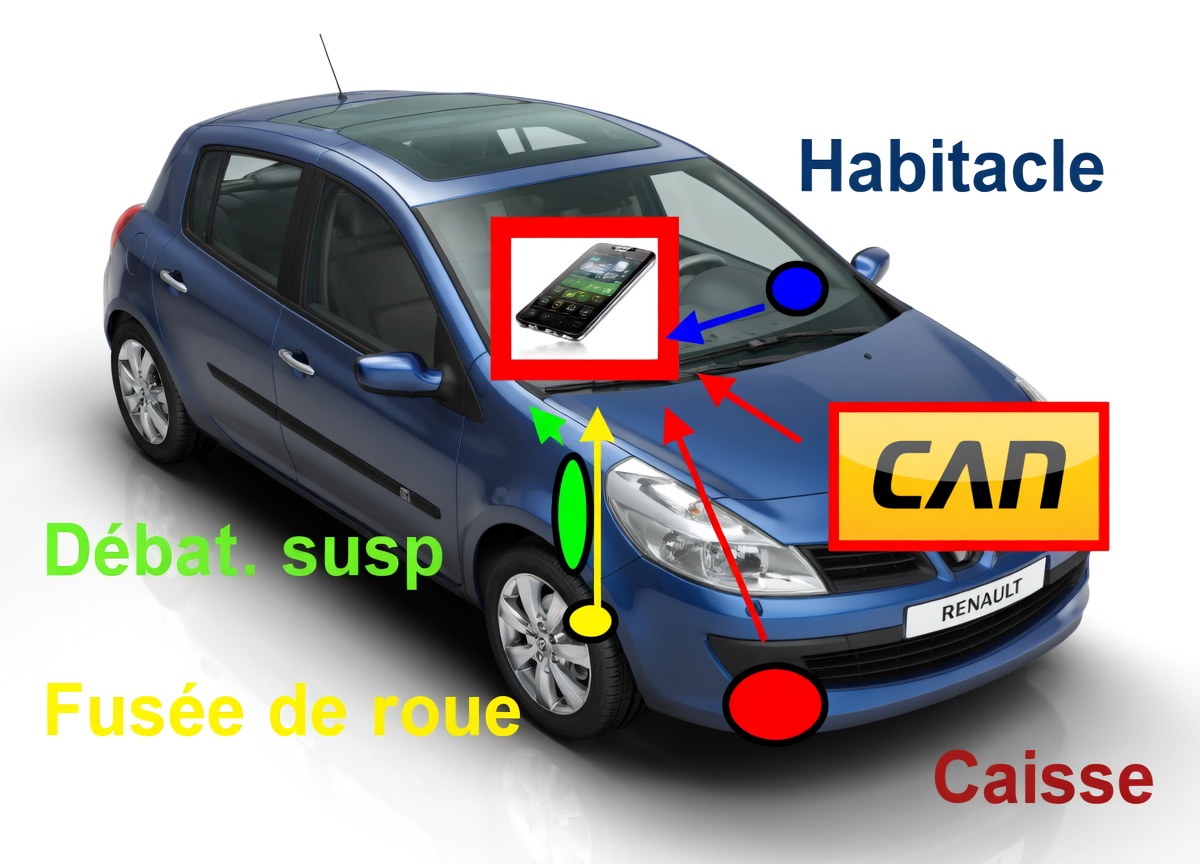
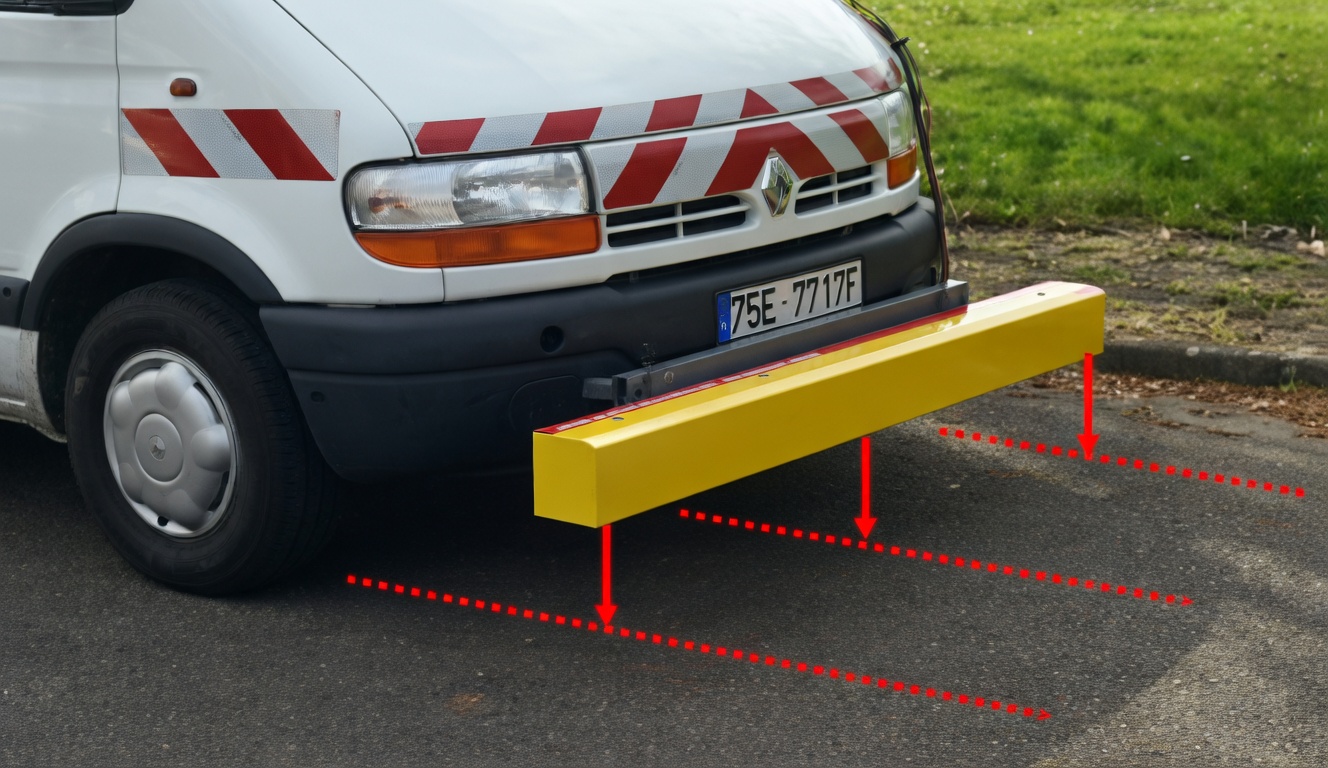
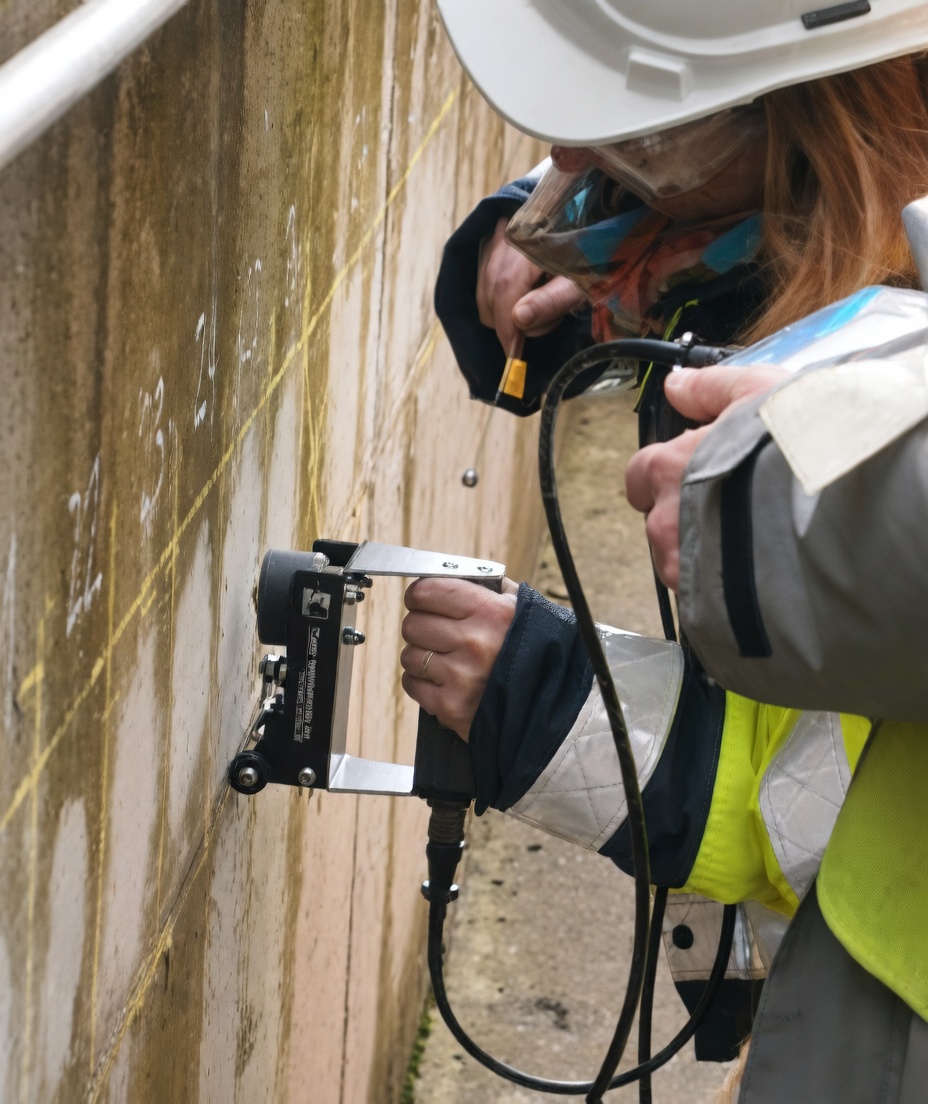
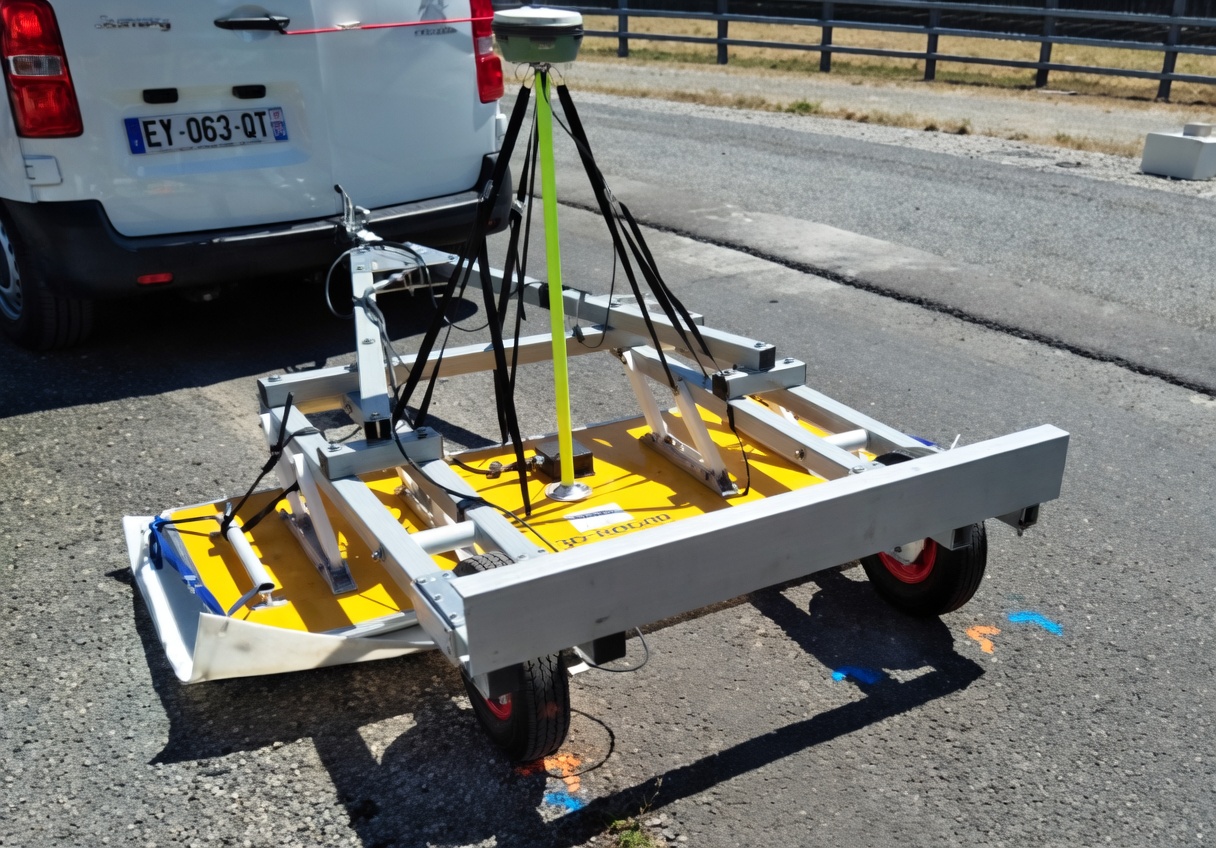
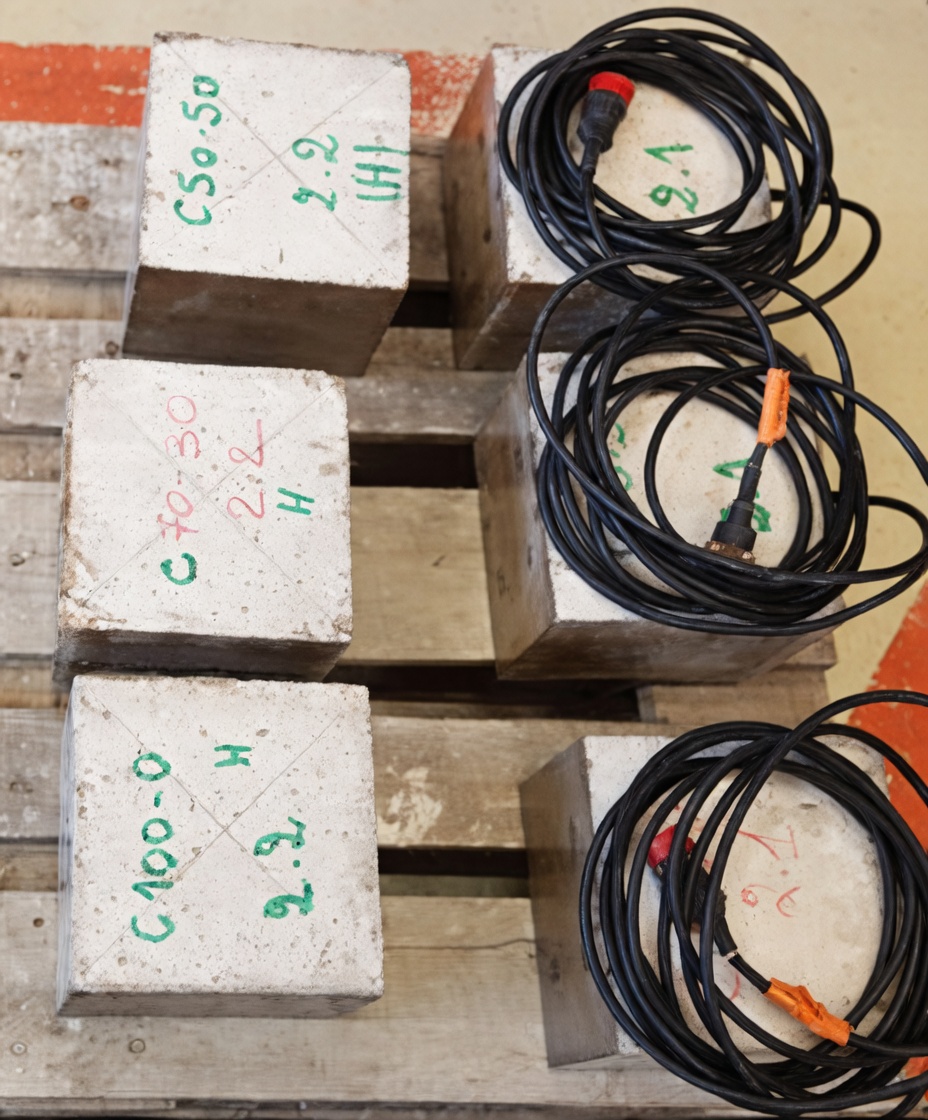
These methods include in situ instrumentation using embedded sensors, semi-punctual or dynamic inspection tools carried by instrumented vehicles in live traffic, as well as laboratory-based non-destructive methods.
Theme Objectives
A Multi-Scale Approach
Constituent materials
Bituminous concrete, hydraulic concrete, ballast — local characterisation of physical properties.
Pavement structures
Asphalt layers, foundations, interfaces — assessment of the structural condition of structures.
Infrastructure networks
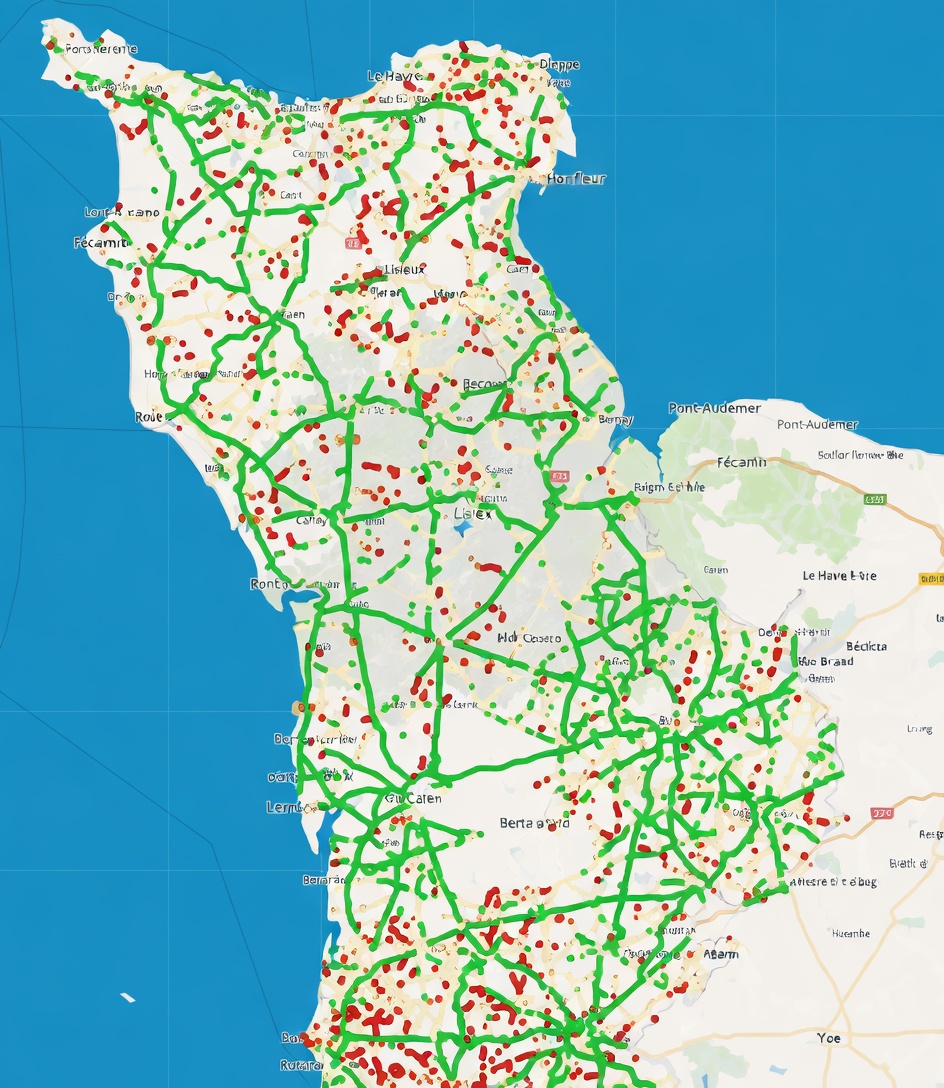
Urban and interurban networks — large-scale asset management and decision support.
Scientific Approach
To build its expertise, LAMES pursues a detailed understanding of wave–medium interactions and interfaces, drawing on the physics of mechanical, acoustic and ultrasonic, thermal and electromagnetic wave propagation.
The study of the temporal and spatial evolution laws governing material behaviour — whether analytical or numerical, physics-based or data-driven — is of fundamental importance.
Monitoring data and the studied laws are integrated into the infrastructure management and decision-support models developed by LAMES. The laboratory has the advantage of validating these behavioural laws and models on demonstrators, the most emblematic of which is the fatigue carousel.
Videos
Gallery
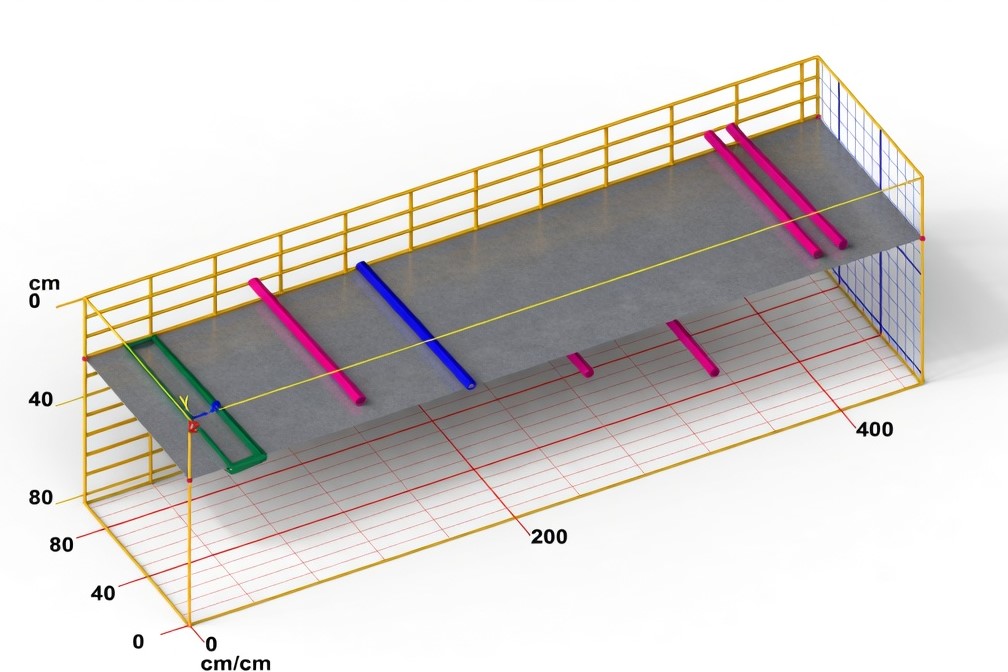
![Resistivity comb — surface measurement [Fares et al. 2017]](/fileadmin/redaction/LAMES/materiels_logiciels/capteurs.jpg)
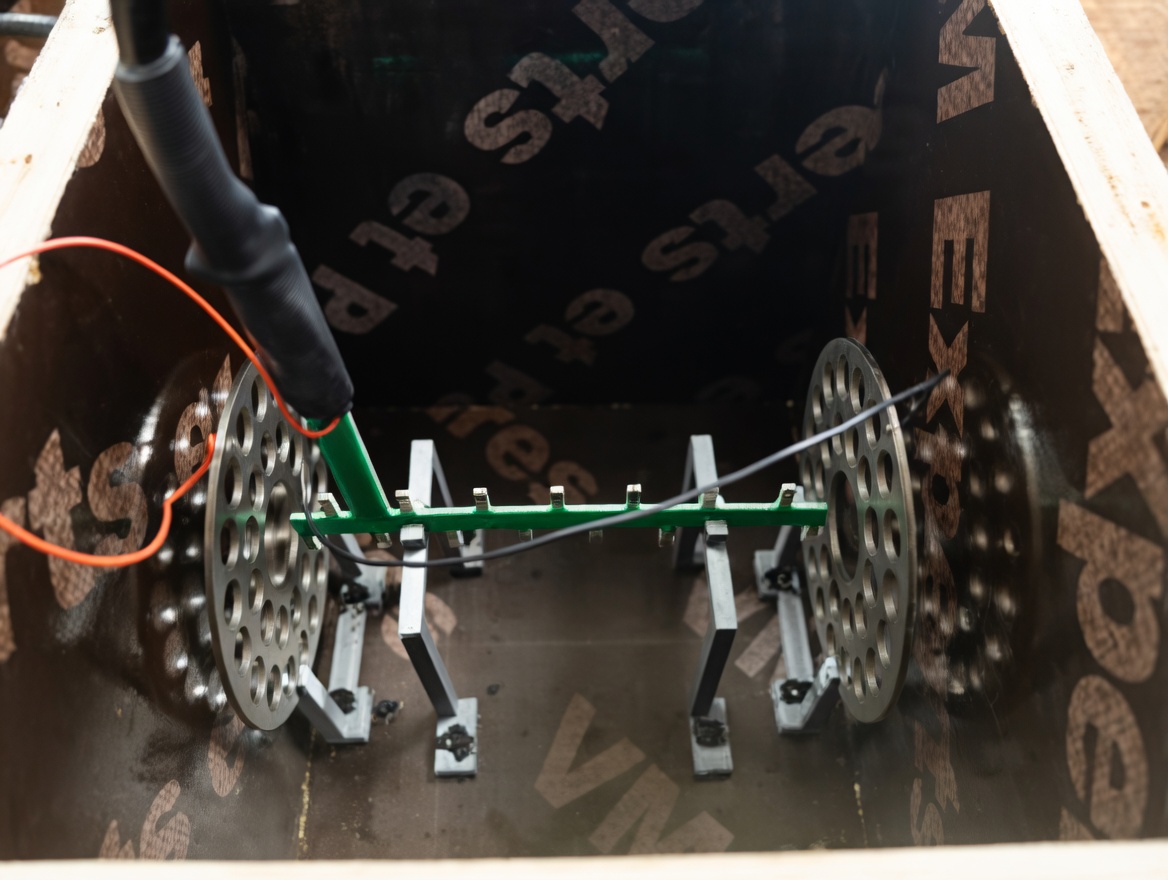
![Resistivity ladder sensor embedded in concrete [Bader et al. 2019]](/fileadmin/redaction/LAMES/materiels_logiciels/capteur_noye.jpg)
Research Projects
Explore LAMES Projects
Below you will find LAMES research projects related to the theme Multi-Scale, Multi-Physical Monitoring and Decision Support — covering instrumentation, inspection, non-destructive methods and transport infrastructure management.